







Search Results for: Osmanthus Fragrance Tea
Distinguishing Guihuaxiang Dancong from Guihua-Scented Tea: Cultivar Characteristics, Processing, and Tasting Points of Qunti Dancong
Osmanthus-scented teas on the market generally fall into two categories: one is scented tea made by scenting with fresh osmanthus, and the other is群体单枞 (Qunti Dancong) that naturally carries the fragrance of osmanthus. The two have similar names but are fundamentally different. This article begins with Front Street Coffee's selected osmanthus-scented tea, outlining its raw material base, charcoal roasting process, and tasting performance, then extends to the varietal characteristics, historical origins, and pricing logic of Qunti Dancong. Through this, readers can distinguish the difference between "smelling floral fragrance" and "fragrance inherent to the variety," and understand the respective charms of traditional scenting and natural aroma types. [more…]
Is the osmanthus aroma in Phoenix Dancong a natural floral scent or added osmanthus? A full guide to authentic prices and brewing
Phoenix Dancong Osmanthus Fragrance has always been a hot topic among tea lovers, captivating them with its rich layers of fruity aroma and honeyed charm. Yet many people wonder: is this osmanthus fragrance naturally formed by the tea leaves, or is it added osmanthus? This article will take you deep into the true character of this classic Phoenix Dancong, sorting out everything clearly for you—from its flavor characteristics, origin altitude, picking and processing techniques, to the specific parameters for everyday brewing and gongfu tea brewing. It will also address the market price question everyone cares about for authentic Osmanthus Fragrance Dancong, and include purchasing advice for the Front Street Coffee brand, so you can buy with clarity, brew with care, and drink with full enjoyment. [more…]

Making Osmanthus Coffee at Home in Autumn: A Detailed Guide to Three Recipes—Americano, Latte, and Caramel Crème Brûlée Latte
The autumn breeze brings refreshment, and the fragrance of osmanthus fills the air—it's once again the season best suited for incorporating osmanthus into coffee. This year, Front Street Coffee has brought a richer lineup of osmanthus coffee recipes than in previous years, including the easy-to-make osmanthus Americano and osmanthus latte, as well as the more elaborate yet stunningly layered osmanthus version of the caramel crème brûlée latte. This article will explain one by one the required ingredients, the approach to selecting coffee beans, and the detailed preparation parameters and precautions for the three beverages. It will also address common questions such as whether osmanthus can be placed directly into the coffee machine for extraction and how to prevent osmanthus from turning bitter. Whether you prefer a refreshing, sugar-free Americano or are devoted to a rich, creamy latte, you'll be able to find the cup that suits you to recreate at home. [more…]

Six Creative Ways to Combine Osmanthus and Coffee: A Complete Hands-On Guide from Espresso and Latte to Dirty and Pour-Over
Incorporating osmanthus into coffee is both a collision of flavors and a continuation of the sense of season. On the third day after reopening, Front Street Coffee was reminded of osmanthus coffee by a box of osmanthus cake, so they went ahead and paired dried osmanthus with espresso, latte, iced americano, Dirty, and pour-over one by one, tested the effects of different placement methods on extraction, and recorded the specific parameters and tasting impressions of each drink. This article covers a comparison of placing osmanthus espresso pucks on top versus at the bottom, syrup-assisted solutions for osmanthus latte and piccolo, the refreshing experience of using leftover espresso to make iced americano, cup-rim decoration techniques for osmanthus Dirty, and complete extraction suggestions for Guatemala Geisha pour-over paired with osmanthus, making it suitable as a reference for enthusiasts who want to recreate osmanthus coffee at home. [more…]
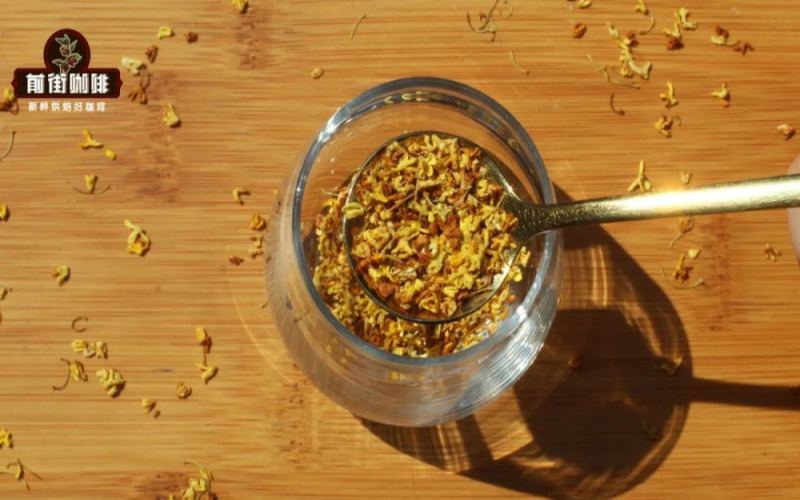
Osmanthus in Coffee: A Complete Guide to Autumn Techniques for Espresso, Latte, Flat White, Dirty, and Pour-Over
Autumn has arrived, and a cup of coffee with the fragrance of osmanthus is the perfect way to match the season. This article revolves around the combination of osmanthus and coffee. It first explains why osmanthus is suitable for coffee and the key points of processing before use, then focuses on the extraction techniques for osmanthus espresso—including why soaking is not recommended, how to avoid channeling, and the conclusions of comparative experiments placing osmanthus above and below the coffee puck. It then provides specific recipes and steps for osmanthus latte, osmanthus flat white/cappuccino, and osmanthus Dirty in turn, along with bean selection, brewing parameters, and flavor description for a cup of osmanthus pour-over. The article retains Front Street Coffee's recommendations and product information, making it suitable for coffee enthusiasts to follow step by step. [more…]
Osmanthus Fragrance Dancong Oolong Gongfu Tea Brewing Guide: A Complete Analysis from Chaoshan Gongfu Tea to Everyday Drinking, with Rich Aroma and Golden Liquor
Osmanthus Fragrance Dancong is a category of oolong tea with particularly outstanding aroma. The finished tea has a golden and bright liquor color, with a rich floral fragrance and good durability for multiple infusions. To truly bring out its flavor, the brewing method of Chaoshan Gongfu Tea is worth understanding in depth. This article begins with the difference between Gongfu Tea and the Way of Tea, then sorts out the core utensils and key operating points of Chaoshan Gongfu Tea, including the pairing of a small clay stove, a Yixing pot or thin porcelain gaiwan, a tea boat, and small thin porcelain cups, as well as key details such as rapid pouring and brewing with living water. At the same time, drawing on Front Street Coffee's brewing experience, it helps readers understand how to use 6 to 8 grams of tea leaves and a small vessel of no more than 90 milliliters to complete a flash brew within 3 to 5 seconds, thereby obtaining a tea liquor with high aroma and a full-bodied mouthfeel. Whether you are a beginner who has just come into contact with Gongfu Tea or an enthusiast hoping to refine your technique, you can find practical ideas for reference here. [more…]
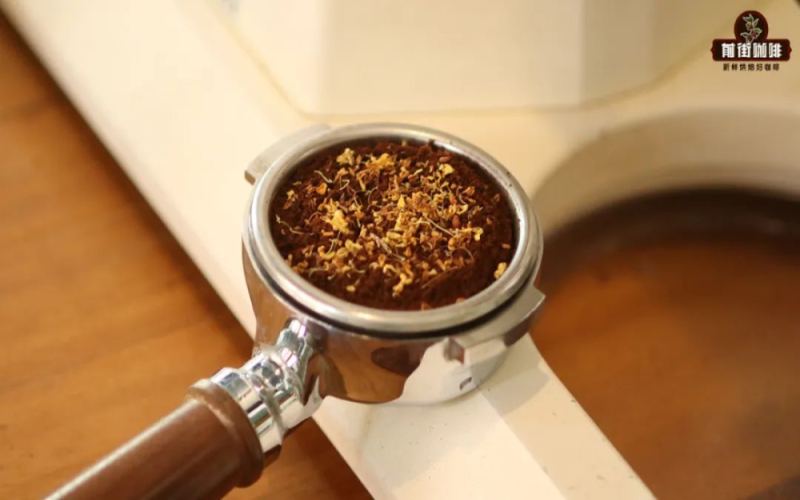
Combining dried osmanthus with espresso: testing three extraction methods to see which osmanthus latte tastes better.
Osmanthus has a rich, intense aroma. When added to coffee grounds and extracted together, can this floral fragrance be infused into espresso? Front Street conducted three sets of comparative experiments, placing dried osmanthus on the surface of the puck, at the bottom, and mixed with the coffee grounds, to observe extraction stability and flavor performance. The experiments found that the density of osmanthus differs greatly from that of coffee grounds, and both the amount used and its position affect the extraction results. For 20g of coffee grounds, it is recommended to add 0.3-0.5g of dried osmanthus; too much will instead破坏 the structure of the puck. The three methods each have their own characteristics: the surface method offers stable extraction, the bottom method gives a pronounced osmanthus aroma, and the mixing method easily produces channeling. Which method is ultimately best for making an osmanthus latte? Let's look at the experimental results together. [more…]
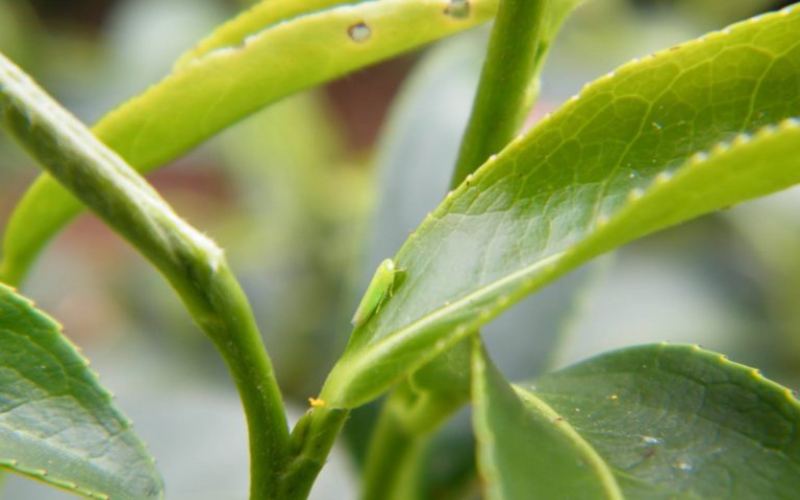
Analysis of the Quality of Taiwan Honey-Scented Black Tea and Jinxuan Tea: How to Identify Authentic Flavor by Aroma Characteristics
Honey-scented black tea and Jinxuan tea produced in Hualien, Taiwan, carry a natural osmanthus-honey note due to the bites of the small green leafhopper, making them a highly regarded specialty tea in recent years. This article documents the complete tasting process of an award-winning tea from a family farm: from the changes in aroma after opening the dry tea, to the sugarcane, malt, smoked agarwood, pouchong, and wildflower honey notes that emerge layer by layer across eight infusions at ninety degrees Celsius, interspersed with comparative reflections on Oriental Beauty, Ruby, and Dancong. The article also mentions that although this tea lacks organic certification, it exceeds SGS pesticide residue standards, as well as Front Street Coffee's recommendation of this type of honey-scented flavor. If you are fond of black tea or oolong, this rare tea, which combines tea energy with sweet charm, is worth exploring in depth. [more…]
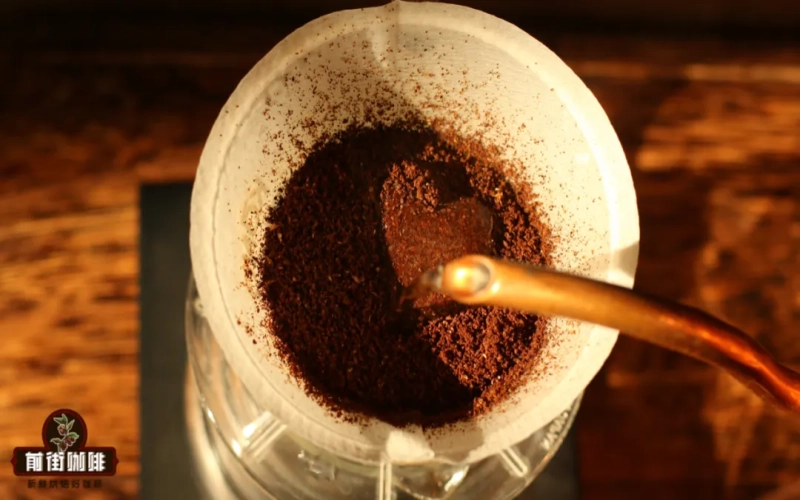
What changes do adding mint, honey, osmanthus, and salt to pour-over coffee each bring? A practical guide to flavoring ingredients for single-origin coffee
After getting used to that daily cup of pour-over, people inevitably start to wonder: can you add something to coffee and, without ruining its original flavors, get a completely new drinking experience? In fact, pour-over coffee doesn't have so many hard-and-fast rules—adjusting it to your own taste preferences is perfectly fine. There are all kinds of ways to add ingredients to pour-over online, and today we'll talk about the four most popular ones—mint, honey, osmanthus, and salt. What kind of coffee beans does each pair best with? How much should you add? And how do different roast levels produce completely different results? Drawing on specific brewing examples, Front Street Coffee will explain once and for all how to use these four ingredients, offering some new ideas for friends who are tired of conventional pour-over. [more…]
Analysis of Floral Coffee Bean Producing Regions: Flavor Causes, Roasting Impact, and Front Street Coffee Picks
In the world of specialty coffee, floral notes are a delightful flavor highlight. They break the stereotype that coffee is only bitter and not aromatic, delivering a fresh and elegant drinking experience. Common floral notes in coffee mainly include white-flower types such as jasmine, coffee blossom, and magnolia; pink sweet aromas like rose and tea rose; and slightly pungent, muted fragrances such as osmanthus and chamomile. These floral notes are not accidental—they are closely tied to a coffee's origin, variety, processing method, and roast level. Understanding these patterns allows you to more precisely select beans with floral notes. This article starts with floral note types, their causes, and the influence of roasting, and recommends several representative floral beans from Front Street Coffee to help you easily find the cup you love. [more…]

Fruity and Floral Specialty Coffee Recommendations | Which Coffee-Producing Regions Are Most Likely to Yield Fruity and Floral Flavors? How Do Single-Origin Coffee Beans Develop Fruity and Floral Notes?
In the flavor universe of specialty coffee, floral notes are the most enchanting "hidden Easter egg"—they lift coffee out of the stereotype of bitterness and add a fresh, elegant layer of complexity. That said, the types of floral notes that appear in coffee are actually not that many, usually white floral notes dominated by jasmine, coffee blossom, and magnolia, along with rose [more…]

Jasmine Naibai completes nearly 100 million yuan financing led by Alibaba Local Life, focusing on Eastern floral tea drinks to accelerate expansion
Recently, the new Chinese-style tea beverage brand Jasmine Naibai announced that it has secured nearly 100 million yuan in financing, led by Alibaba Local Life, with Xiangyang Capital serving as the exclusive financial advisor. This round of funding will be directed toward product research and development, brand building, supply chain upgrades, and team expansion, while further empowering franchise partners and continuously refining the lightweight model. Since its establishment in 2020, Jasmine Naibai has started with Jasmine Dragon Buds and focused on the floral fresh milk tea segment, launching series such as Gardenia, White Orchid, and Osmanthus. It now has 785 stores nationwide, with revenue growth of nearly 400%, and is expected to surpass 1,000 stores by the end of the year. The brand is also expanding overseas, opening its first stores in New York and Bangkok, promoting Eastern tea beverage culture to the world. [more…]
What grade does Duck Shit Aroma Dancong hold within Phoenix Dancong? Besides Night-blooming Jasmine, what other aroma types are there?
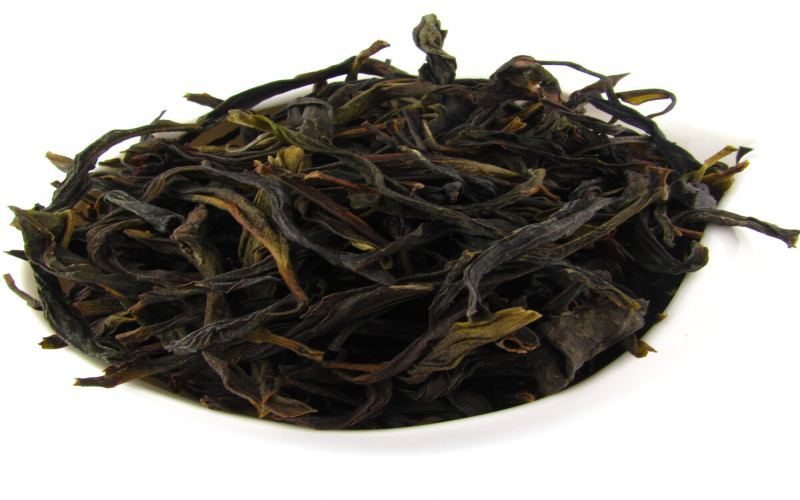
Phoenix Dancong is produced in the Phoenix Mountains of Chaozhou, Guangdong, and is one of the most aromatically expressive categories of Chinese oolong tea. Its fragrance comes entirely from the tea plant variety itself rather than from artificial additives, which is why it is called "dancong" (single bush). Traditionally, local tea makers have classified dancong into ten major aroma types, including honey orchid, gardenia, osmanthus, jasmine, and night-blooming cereus, with each type further divided into more specific subtypes. Among them, Duck Shit Aroma has risen prominently since the 1970s and has become a new market favorite. This article discusses the aroma classification system, historical origins, and quality characteristics of Phoenix Dancong, and also introduces related products from the Front Street Coffee brand to help readers understand the true position of Duck Shit Aroma within dancong. [more…]
Nestlé Enters the Tea-Coffee Arena with an Onmyoji Collaboration: Can Three New Products Crack the Youth Market?
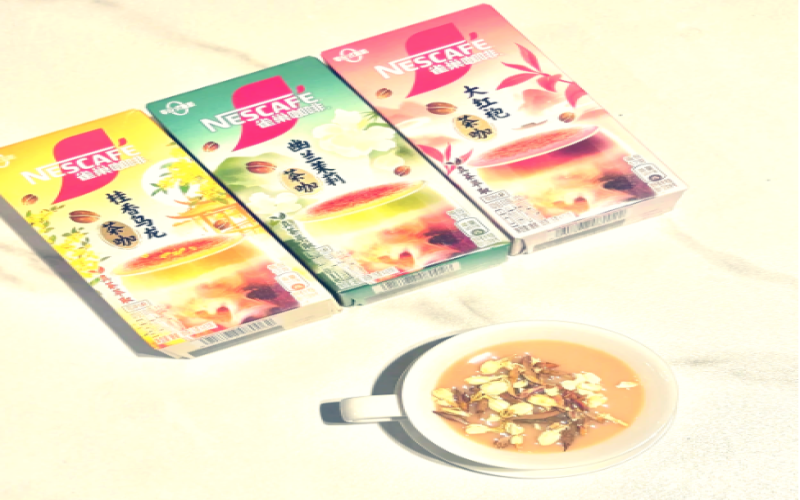
Currently, China's beverage industry is witnessing an intriguing cross-boundary phenomenon: tea drink companies want to enter the coffee sector, while coffee companies try to grab a share of the milk tea market. At the intersection of tea and coffee, a new category is being born—tea-coffee. As a global coffee industry giant, Nestlé, facing pressures such as the continuous contraction of the instant coffee market and brand aging, launched a special tea-coffee series in July this year, featuring three flavors: orchid jasmine, osmanthus oolong, and da hong pao. Three months after its launch, Nestlé teamed up with the Onmyoji mobile game for cross-boundary marketing, attempting to extend from young people's first cup of coffee to their first piece of merchandise. How has the market responded to this drink that combines caffeine and tea polyphenols? And why has the co-branded merchandise received such high praise? This article provides a detailed analysis. [more…]
Three Creative Jasmine and Coffee Pairings: A Detailed Guide to Milk Coffee, Cold Brew, and Pour-Over Methods
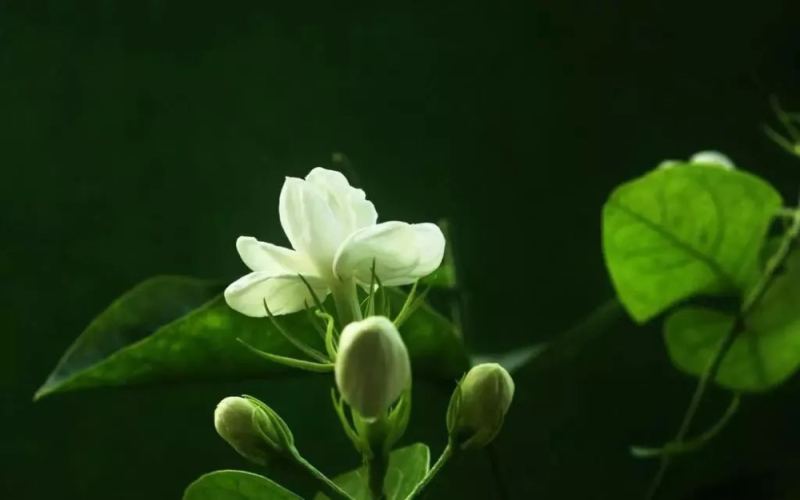
Jasmine has a clear, delicate aroma that aligns perfectly with the floral notes in coffee. Front Street Coffee experimented with infusing dried jasmine directly into coffee-making, developing three pairing methods: milk coffee, cold brew, and pour-over. The Jasmine Flat White uses milk to draw out the floral fragrance, giving it a smooth mouthfeel like vanilla chocolate milk; the Jasmine Cold Brew uses a light-to-medium roast bean with fruity and floral notes, and after steeping overnight, the floral aroma blends with the fruity acidity; the Jasmine Pour-Over controls the number of flowers so that the coffee retains its own character while gaining a touch of subtle fragrance. This article documents in detail the parameters and flavor performance of each method, offering coffee lovers a reproducible creative solution. [more…]
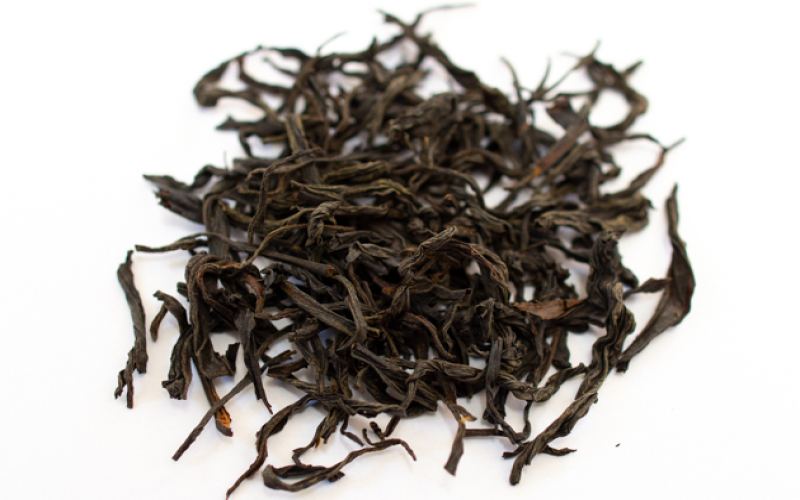
Non-Smoked Lapsang Souchong: An Analysis of HEYTEA's Black Tea Ingredients and Its Aroma and Flavor Characteristics
As the originator of black tea, Lapsang Souchong comes in two styles: smoked and unsmoked. Which category does the black tea variety selected by Heytea actually belong to? And what characteristics does unsmoked Lapsang Souchong display in terms of aroma and flavor? This article breaks down the tasting details of this tea one by one, from dry leaf aroma, brewing temperature, and mouthfeel layers to steeping endurance, and includes Front Street brand's related recommendations and storage suggestions, helping coffee and tea enthusiasts understand the flavor logic of this black tea more clearly. [more…]
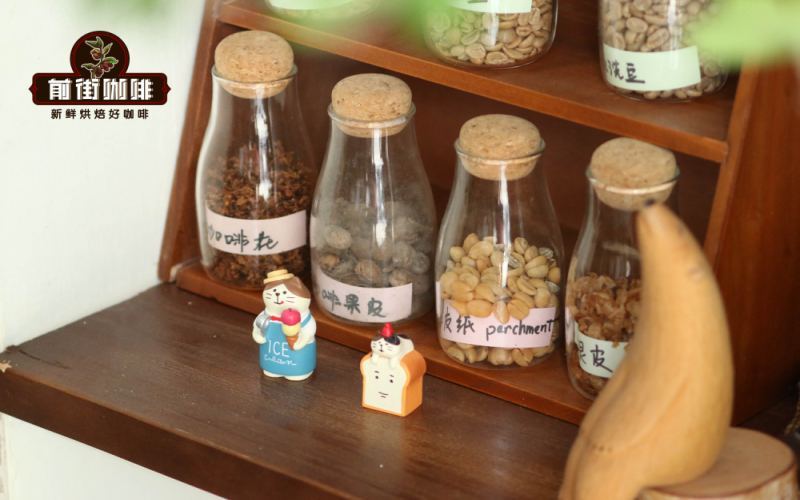
Costa Rica Canet Estate Musician Series Chopin: Raisin Honey-Processed Yellow Catuai with Osmanthus and Rose Sweet Aroma
This bean from Front Street Coffee comes from the Musician Series of Canet Estate. It is a Yellow Catuai variety processed using the raisin honey method, yet it displays a completely different flavor profile—this is precisely what makes the Chopin coffee so unique. It combines floral and fruity notes, with the rich rose fragrance of a young maiden as well as a sweet, honeyed peach-like inner character, clean yet layered. This article will break down the flavor code of this Chopin bean one by one, from the background of the Costa Rica producing region, the terroir of Tarrazu, an overview of Canet Estate, the raisin honey processing method, and the characteristics of the Yellow Catuai variety, to Front Street's roasting curve and brewing parameters, and will also include actual tasting performance at different water temperatures for coffee lovers' reference. [more…]

Universities and time-honored brands rush into wellness milk tea: what are the transformation paths and challenges for the milk tea industry?
When milk tea cup sleeves at Fudan University Medical School are printed with drug instructions, when Beijing University of Chinese Medicine adds ginger, cinnamon, dried tangerine peel, red dates, and goji berries to milk tea, and when Shanghai's time-honored Chinese medicine brand Tong Han Chun Tang uses "medicine and food homology" as a selling point to launch ginseng and peach gum milk tea, the milk tea category is undergoing a transformation attempt from "junk food" to "health drink." University cafeterias, Chinese medicine shops, and time-honored brands are all crossing over into the market, trying to reshape the image of milk tea with the concept of health. At the same time, milk tea brands are also making changes on the ingredient side, with fresh fruit and fresh milk replacing non-dairy creamer as selling points. However, news about milk tea on trending searches is repeatedly linked to food safety issues, and the road to transformation is not smooth. [more…]
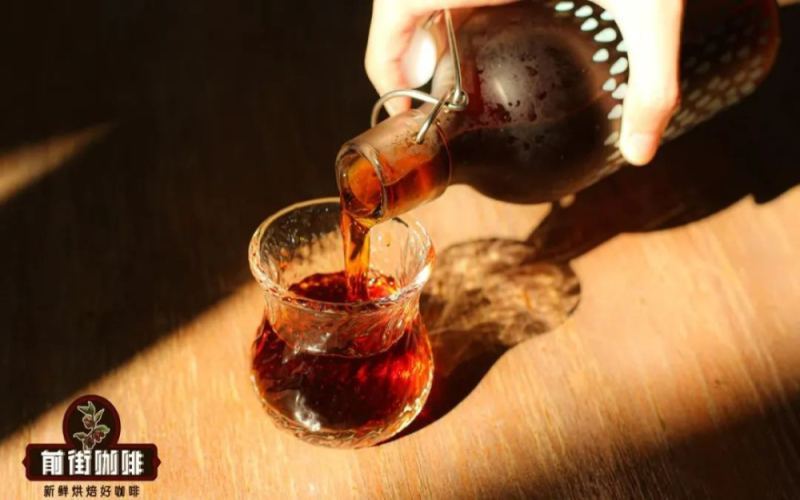
The Complete Guide to Creative Cold Brew Coffee: A Home Guide to Special Brews with Fruit, Dried Flowers, Preserved Plums, Milk, and Coconut Water
Cold brew coffee is usually recommended to be enjoyed black, in order to appreciate the pure flavor after low-temperature extraction, but when making it at home, it actually offers plenty of room for creativity. Front Street Coffee has put together five hidden ways to drink it today: adding fruit, dried flowers, preserved plums, milk, or coconut water — each one gives cold brew a completely different personality. Beans suitable for fruit cold brew include natural-process Huakui, washed Fruit Punch, Strawberry Candy, Sidra, and Kenyan Cherry Tomato; when choosing fruit, pay attention to whether it can withstand long soaking and whether its aroma is compatible — Kyoho grapes, white peaches, lychees, strawberries, cherries, and sweet oranges are all good choices. As for dried flowers, osmanthus, jasmine, and rose pair best with light-to-medium roast beans that have floral and fruity notes. Preserved plums and nine-process dried tangerine peel can bring a complex aroma with salty-sour notes and a sweet aftertaste. Milk cold brew comes in two forms: direct soaking and mixing in fresh milk. Coconut water mixed with cold brew at a 1:1 ratio is refreshing and cooling. [more…]
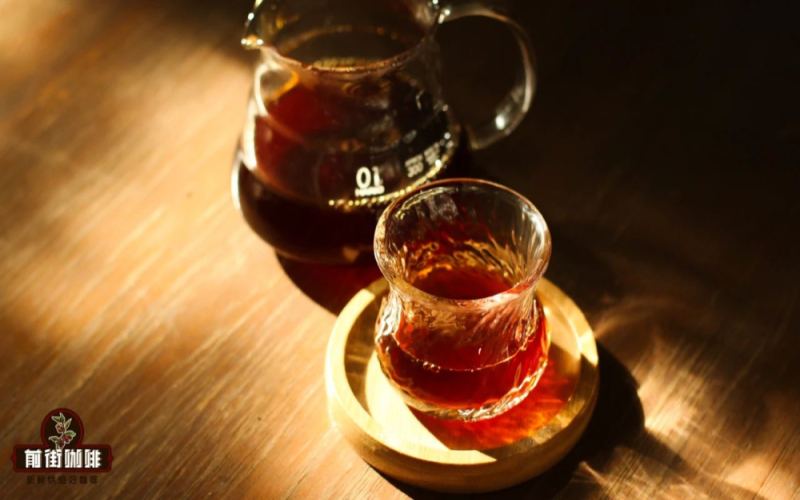
How to Taste the Floral and Fruity Notes of Light Roast Coffee, with a Recommended List of Five Floral-Flavored Coffee Beans
In the world of specialty coffee, fruity and floral notes are arguably the most fascinating yet most confusing flavor labels. Many people who are just getting into coffee often wonder: why is it that others talk about white florals, tropical fruit, and citrus notes, while they themselves can't pick up on any of it? In fact, tasting fruity and floral notes is not some mystical art—it involves multiple aspects such as the mechanisms of smell, scent memory, and taste sensitivity. This article will start from the principles of sensory perception, explaining why some coffees are more likely to present floral and fruity notes, and will compile five light-roast floral coffees, covering different aroma types such as jasmine, orange blossom, rose, osmanthus, and coffee flower, as a reference for various brewing methods including pour-over and cold brew. [more…]